Prevent Brute Force Login Security & Risk Analysis
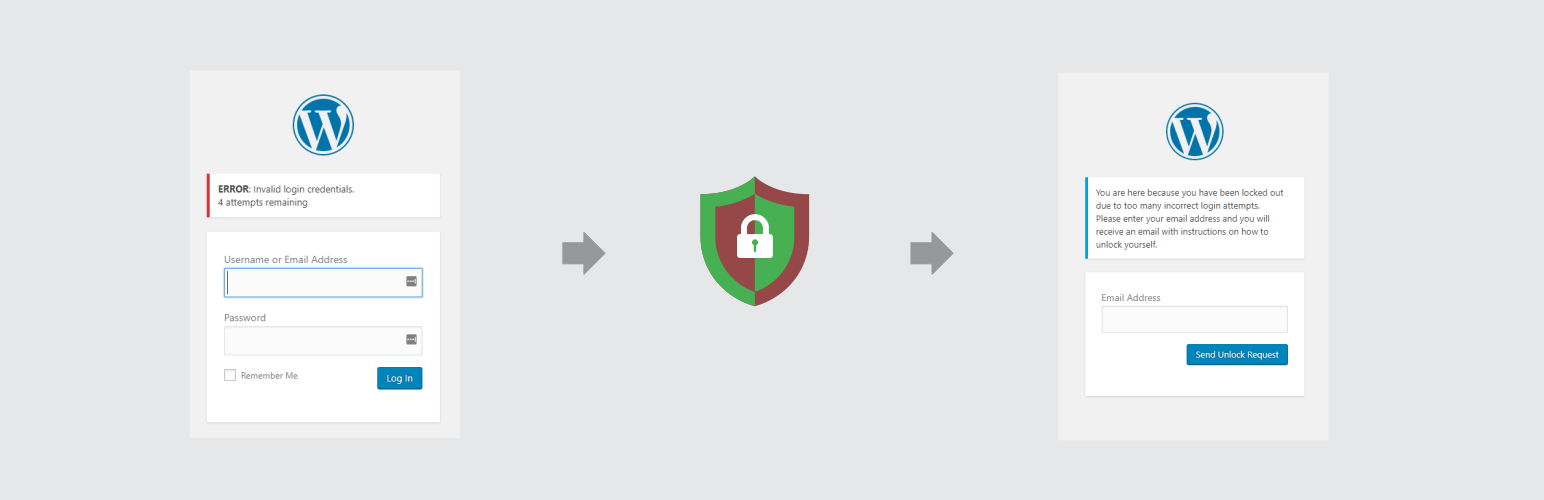
wordpress.org/plugins/ervan-limit-loginLimit the number of login attempts by ip address.
Is Prevent Brute Force Login Safe to Use in 2026?
Generally Safe
Score 85/100Prevent Brute Force Login has no known CVEs and is actively maintained. It's a solid choice for most WordPress installations.
The "ervan-limit-login" v1.1.0 plugin exhibits a generally good security posture with a limited attack surface and no known historical vulnerabilities. The static analysis reveals a complete lack of AJAX handlers, REST API routes, shortcodes, and cron events, meaning there are no obvious public entry points into the plugin's functionality. Furthermore, all detected SQL queries utilize prepared statements, which is a strong indicator of secure database interaction. The absence of file operations and external HTTP requests also contributes positively to its security profile.
However, there are notable areas of concern. The plugin utilizes the `unserialize` function three times, which can be a significant security risk if the serialized data originates from untrusted sources. While the taint analysis shows only one flow with an unsanitized path and no critical or high severity issues, the presence of `unserialize` without clear sanitization or authentication checks on its input is a potential vulnerability. Additionally, the plugin has zero nonce checks and zero capability checks, meaning that functionality, if any were exposed, would not be adequately protected against unauthorized access or cross-site request forgery. The output escaping is also only moderately effective, with over a third of outputs not properly escaped, which could lead to cross-site scripting vulnerabilities.
Given the lack of historical vulnerabilities, it's possible that the `unserialize` function is used with data that is internally generated or otherwise controlled in a way that mitigates risk. However, the absence of authentication and nonce checks coupled with the use of `unserialize` and imperfect output escaping presents a potential risk. The plugin's strengths lie in its limited attack surface and secure database practices, but these are overshadowed by the potential for deserialization vulnerabilities and the lack of basic security checks.
Key Concerns
- Dangerous function 'unserialize' used
- Flow with unsanitized path detected
- No nonce checks
- No capability checks
- Output escaping only 67% proper
Prevent Brute Force Login Security Vulnerabilities
Prevent Brute Force Login Release Timeline
Prevent Brute Force Login Code Analysis
Dangerous Functions Found
SQL Query Safety
Output Escaping
Data Flow Analysis
Prevent Brute Force Login Attack Surface
WordPress Hooks 5
Maintenance & Trust
Prevent Brute Force Login Maintenance & Trust
Maintenance Signals
Community Trust
Prevent Brute Force Login Alternatives

Login Delay Shield
wp-login-delay
Login Delay Shield slows down brute-force attacks by adding a configurable delay to failed login attempts while keeping successful logins instant.

CloudSecure WP Security
cloudsecure-wp-security
管理画面とログインURLをサイバー攻撃から守る、国産・日本語対応のセキュリティ対策プラグインです。 かんたんな設定を行うだけで、不正アクセスや不正ログインからあなたのWordPressを保護します。

WP Ghost (Hide My WP Ghost) – Security & Firewall
hide-my-wp
Hide and Secure WP paths with the complete WP security suite for Site Hardening. Includes 8G Firewall, Brute Force protection, and Passkeys.

WP fail2ban – Advanced Security
wp-fail2ban
WP fail2ban uses fail2ban to protect your WordPress site.

Titan Anti-spam & Security
anti-spam
Block spam comments, defend against login attempts, and strengthen site security with anti-spam, brute-force protection, and two-factor authentication …
Prevent Brute Force Login Developer Profile
2 plugins · 20 total installs
How We Detect Prevent Brute Force Login
Patterns used to identify this plugin on WordPress sites during automated security audits and web crawling.
Asset Fingerprints
/wp-content/plugins/ervan-limit-login/includes/api/api-helpers.php/wp-content/plugins/ervan-limit-login/includes/lockdown.php/wp-content/plugins/ervan-limit-login/includes/notification.php/wp-content/plugins/ervan-limit-login/includes/admin/settings.phpervan-limit-login/style.css?ver=prevent-brute-force-login/assets/css/style.css?ver=prevent-brute-force-login/assets/js/script.js?ver=HTML / DOM Fingerprints
kdbm_pbfl_admin_settings<!-- KDBM PBFL Admin Settings --><!-- This is the main file for the plugin --><!-- Basic Settings --><!-- Email Settings -->+11 moredata-kdbm-pbfl-noncekdbm_pbfl_paramsKDBM_PBFL_AJAX_URL/wp-json/kdbm_pbfl/v1/settings/wp-json/kdbm_pbfl/v1/lockouts/wp-json/kdbm_pbfl/v1/logs[kdbm_pbfl_login_form][kdbm_pbfl_lockout_message]