Theme YAML – Use YAML instead JSON for your theme.json settings and styles Security & Risk Analysis
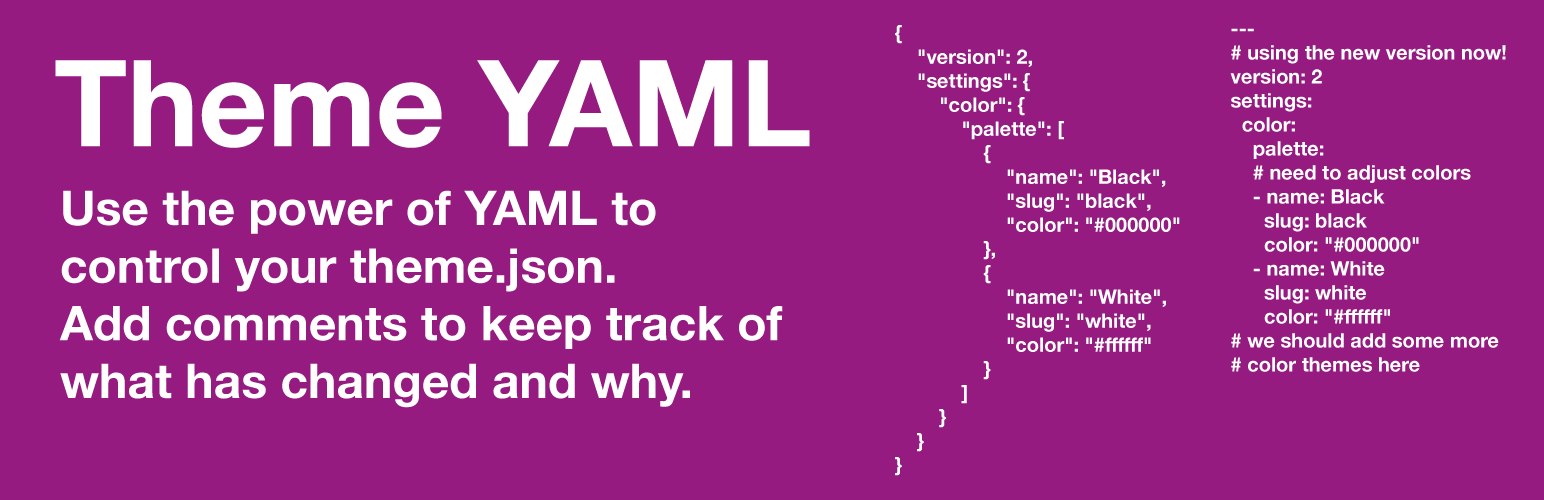
wordpress.org/plugins/theme-yamlTheme Yaml converts your theme.yaml file into theme.json so that you can configure your theme with YAML
Is Theme YAML – Use YAML instead JSON for your theme.json settings and styles Safe to Use in 2026?
Generally Safe
Score 85/100Theme YAML – Use YAML instead JSON for your theme.json settings and styles has no known CVEs and is actively maintained. It's a solid choice for most WordPress installations.
The 'theme-yaml' plugin, version 1.3.0, presents a seemingly strong security posture based on the provided static analysis. There are no identified AJAX handlers, REST API routes, shortcodes, or cron events, which significantly limits the potential attack surface. Furthermore, the code exhibits excellent practices regarding database interactions, with all SQL queries using prepared statements and all output being properly escaped. The absence of dangerous functions and external HTTP requests is also a positive indicator. The vulnerability history is clean, with no known CVEs recorded, suggesting a history of secure development or diligent patching by maintainers.
However, a key concern arises from the complete lack of capability checks and nonce checks. While the current attack surface is zero, if any new entry points were to be introduced in future versions, they would be inherently unprotected. The two identified file operations also warrant scrutiny, as their purpose and whether they handle user-supplied input without sanitization are not detailed. The taint analysis showing zero flows with unsanitized paths is reassuring, but it's important to consider the limited scope of analysis if the attack surface is indeed zero.
In conclusion, 'theme-yaml' v1.3.0 demonstrates good security hygiene in its current implementation by minimizing its attack surface and employing secure coding practices for database and output handling. The lack of historical vulnerabilities is a significant strength. The primary weakness lies in the absence of authorization checks (capability and nonce), which creates a potential risk if the plugin's functionality evolves. The file operations should also be reviewed to ensure they are secure.
Key Concerns
- No capability checks present
- No nonce checks present
Theme YAML – Use YAML instead JSON for your theme.json settings and styles Security Vulnerabilities
Theme YAML – Use YAML instead JSON for your theme.json settings and styles Release Timeline
Theme YAML – Use YAML instead JSON for your theme.json settings and styles Code Analysis
Theme YAML – Use YAML instead JSON for your theme.json settings and styles Attack Surface
WordPress Hooks 3
Maintenance & Trust
Theme YAML – Use YAML instead JSON for your theme.json settings and styles Maintenance & Trust
Maintenance Signals
Community Trust
Theme YAML – Use YAML instead JSON for your theme.json settings and styles Alternatives

Theme.json Design Manager
theme-json-design-manager
Manage design tokens — colors, spacing, typography, border radius, and shadows — that integrate with WordPress Global Styles via theme.json.

One Click Demo Import
one-click-demo-import
Import your demo content, widgets and theme settings with one click. Theme authors! Enable simple theme demo import for your users.

Child Theme Configurator
child-theme-configurator
When using the Customizer is not enough - Create a child theme from your installed themes and customize styles, templates, functions and more.

Import / Export Customizer Settings
astra-import-export
Astra theme customizer offers several settings for header/footer layout, sidebar and blog designs, colors, backgrounds, typography and much more.

OptionTree
option-tree
Theme Options UI Builder for WordPress. A simple way to create & save Theme Options and Meta Boxes for free or premium themes.
Theme YAML – Use YAML instead JSON for your theme.json settings and styles Developer Profile
4 plugins · 1K total installs
How We Detect Theme YAML – Use YAML instead JSON for your theme.json settings and styles
Patterns used to identify this plugin on WordPress sites during automated security audits and web crawling.