FreeDAM Web Notices Security & Risk Analysis
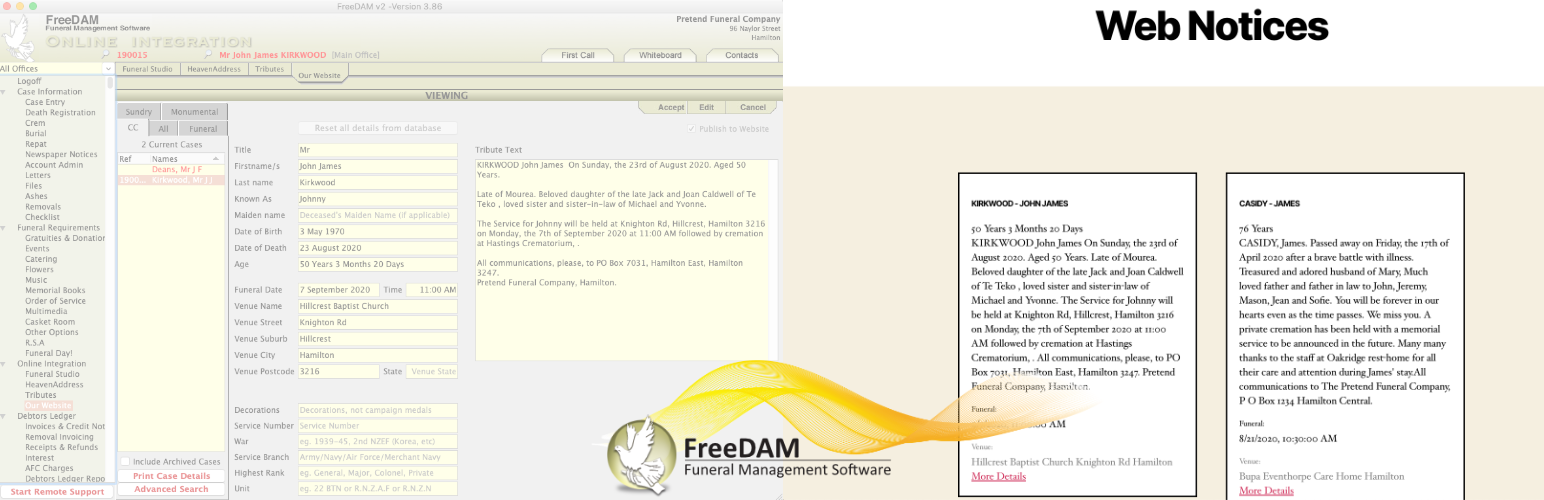
wordpress.org/plugins/freedam-web-noticesFor usage by Freedom Software clients. Retrieves your web notices from your FreeDAM database for displaying on your website.
Is FreeDAM Web Notices Safe to Use in 2026?
Generally Safe
Score 92/100FreeDAM Web Notices has no known CVEs and is actively maintained. It's a solid choice for most WordPress installations.
The freedam-web-notices plugin version 1.5.2 exhibits a generally strong security posture based on the provided static analysis and vulnerability history. The absence of any detected CVEs, coupled with the fact that all SQL queries use prepared statements and a high percentage of outputs are properly escaped, indicates good development practices in these critical areas. Furthermore, the plugin has no documented vulnerability history, which suggests a stable and well-maintained codebase over time.
However, several areas present potential concerns. The complete lack of nonce checks and capability checks on any identified entry points is a significant weakness. While the attack surface is reported as zero, any future additions or unindentified entry points could be vulnerable to cross-site request forgery (CSRF) or unauthorized actions if these checks are not implemented. The presence of file operations and external HTTP requests, even if only one each, warrants scrutiny as these are common vectors for vulnerabilities if not handled with extreme care, especially concerning input validation and sanitization.
Overall, the plugin appears secure in its current state regarding known exploits and common coding pitfalls like raw SQL. The primary areas for improvement lie in the implementation of authorization and validation mechanisms, particularly nonce and capability checks, to proactively defend against potential future vulnerabilities and ensure robust security for any and all entry points.
Key Concerns
- Missing Nonce Checks
- Missing Capability Checks
- File Operations Present
- External HTTP Requests Present
- Output Escaping Partially Incomplete (14%)
FreeDAM Web Notices Security Vulnerabilities
FreeDAM Web Notices Release Timeline
FreeDAM Web Notices Code Analysis
Output Escaping
FreeDAM Web Notices Attack Surface
WordPress Hooks 5
Maintenance & Trust
FreeDAM Web Notices Maintenance & Trust
Maintenance Signals
Community Trust
FreeDAM Web Notices Alternatives

Complianz – GDPR/CCPA Cookie Consent
complianz-gdpr
Configure your Cookie Banner, Cookie Consent and Cookie Policy with our Wizard and Cookies Scan.

CookieYes – Cookie Banner for Cookie Consent (Easy to setup GDPR/CCPA Compliant Cookie Notice)
cookie-law-info
Easily set up cookie banner or notice in WordPress, and policy pages for compliance with global cookie laws (GDPR, DSGVO, RGPD, CCPA/CPRA, etc).

CookieAdmin – Cookie Consent Banner
cookieadmin
CookieAdmin provides easy to configure cookie consent banner with GDPR and CCPA law support.

Cookiebot by Usercentrics – Automatic Cookie Banner for GDPR/CCPA & Google Consent Mode
cookiebot
Install your cookie banner in minutes. Automatically scan and block cookies to comply with the GDPR, CCPA, Google Consent Mode v2. Free plan option.

Disable Admin Notices – Hide Dashboard Notifications
disable-admin-notices
Disable admin notices and hide dashboard notifications from plugins, themes and core. Hide all notices, selected ones, or show them in a single line.
FreeDAM Web Notices Developer Profile
1 plugin · 10 total installs
How We Detect FreeDAM Web Notices
Patterns used to identify this plugin on WordPress sites during automated security audits and web crawling.
Asset Fingerprints
/wp-content/plugins/freedam-web-notices/public/css/freedam-web-notices-public.css/wp-content/plugins/freedam-web-notices/public/js/freedam-web-notices-public.js/wp-content/plugins/freedam-web-notices/public/js/freedam-web-notices-public.jsfreedam-web-notices/public/css/freedam-web-notices-public.css?ver=freedam-web-notices/public/js/freedam-web-notices-public.js?ver=HTML / DOM Fingerprints
freedam-web-notices-wrapperfreedam-web-notices-containerdata-freedam-api-addressfreedam_web_notices_ajax_object